The villa
HORAMI Villa is shaped by its open plan and a Japanese-Scandinavian aesthetic that gives off calm, brightness and presence. Large windows flood the rooms with light and create an open atmosphere, marked by a particular quality of light at every hour of the day.
The villa stands for openness – for new ideas, exchange, thoughts and discoveries away from everyday life. Here every guest can find inspiration and explore new perspectives in surroundings of simplicity and aesthetics.
Architecture
Timber framing and exposed beams
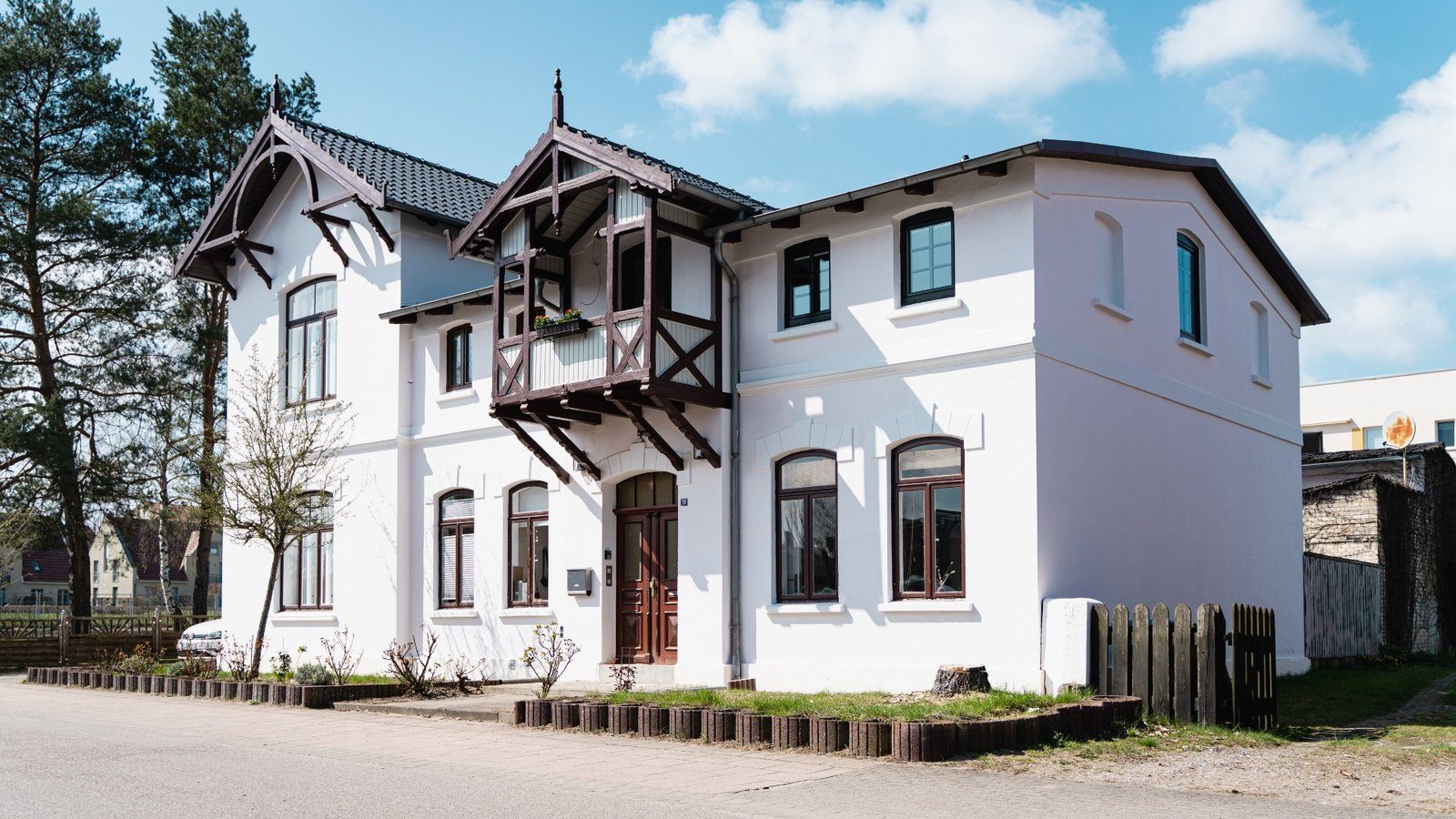
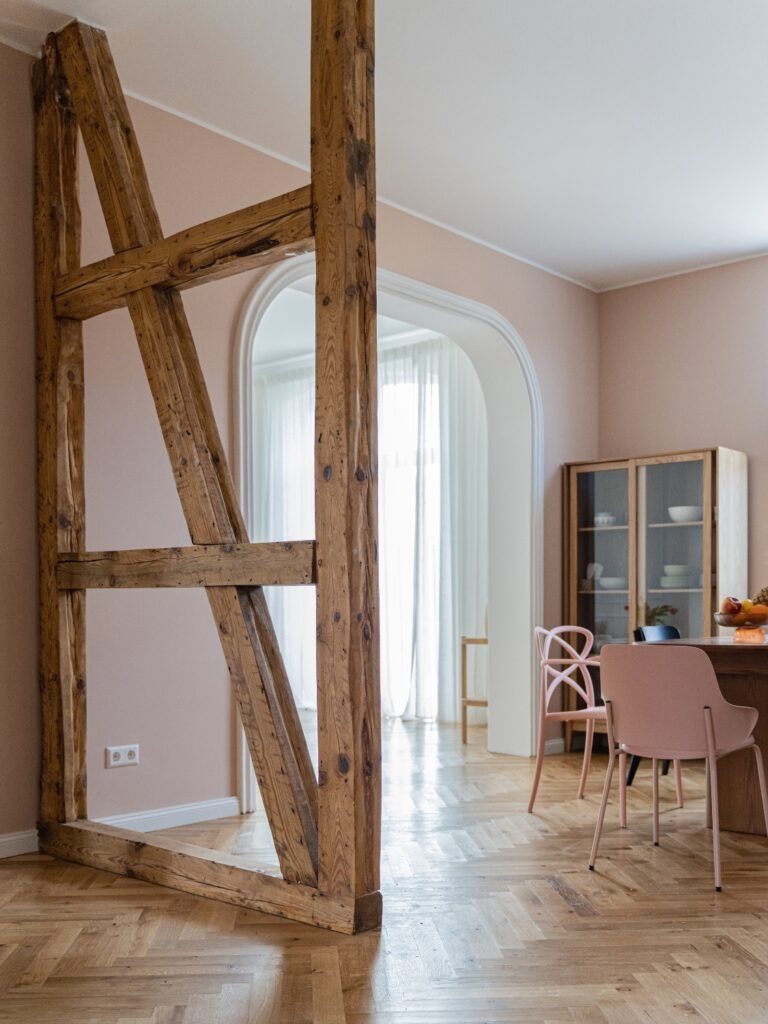
HORAMI Villa is defined by its timber-frame architecture, in which exposed wooden beams play a central role. These historic elements give the villa a character of its own and join traditional building with contemporary design.
The visible beams sit easily in the minimal interior and underline the authenticity of this particular place.
Interior
Rice paper, oak and found objects
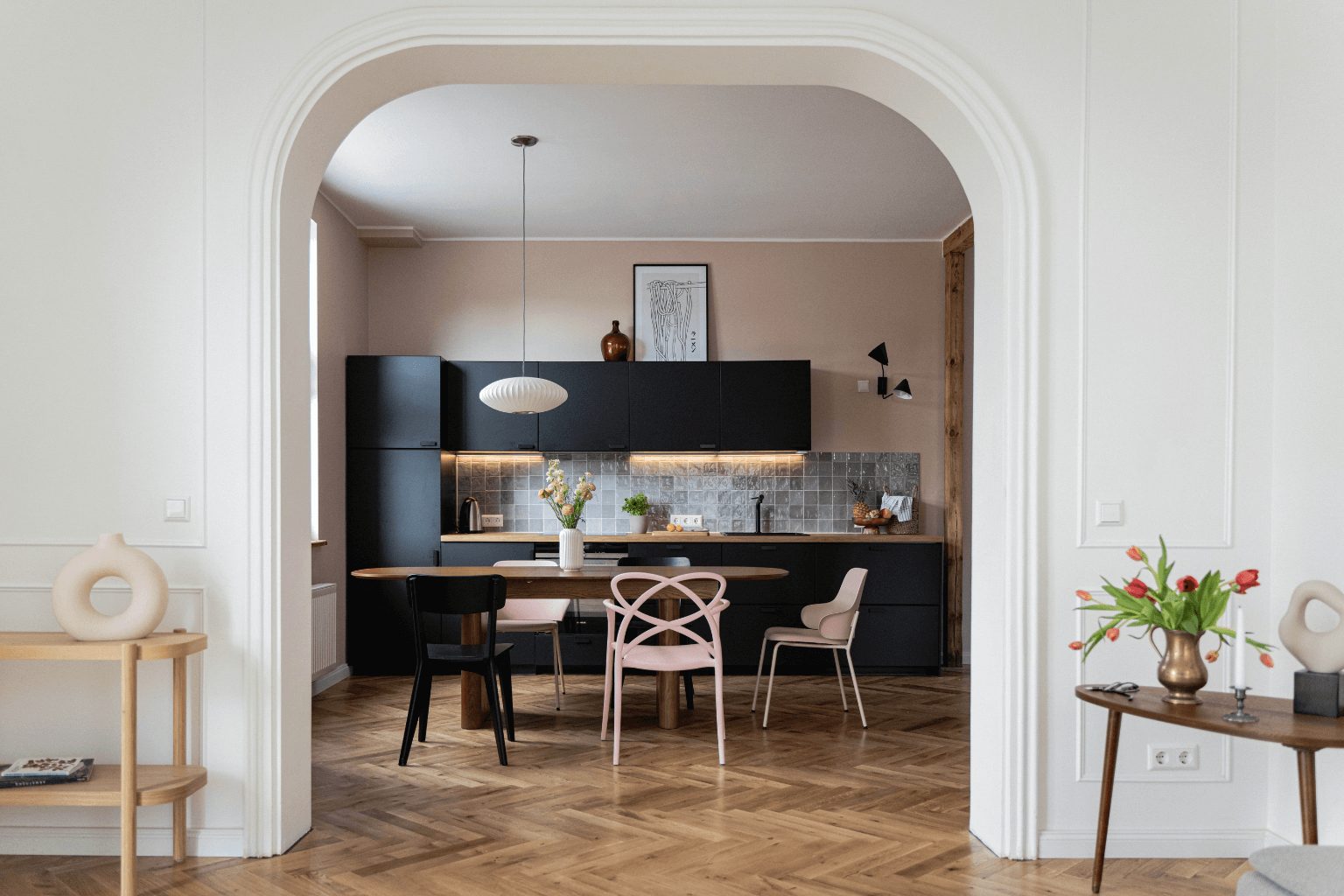
The interior relies on designer lamps of ivory rice paper, set off by dark details in stained oak. Carefully chosen found objects and Danish designer furniture furnish the house – always with an eye for the originality and historic charm of the building.
The personal accents of the two friends and founders show in every detail.

The host
Hanh Nguyen-Schwanke
Publisher · children’s author · host
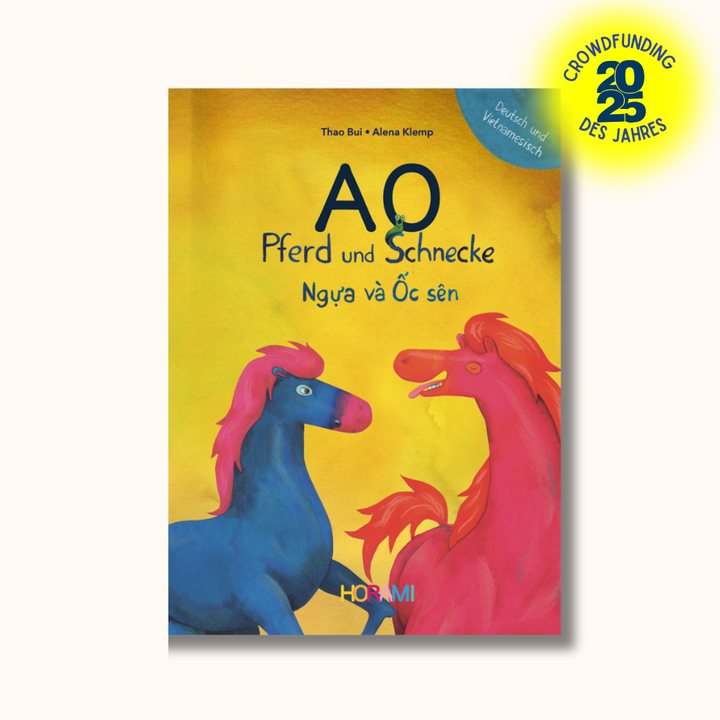
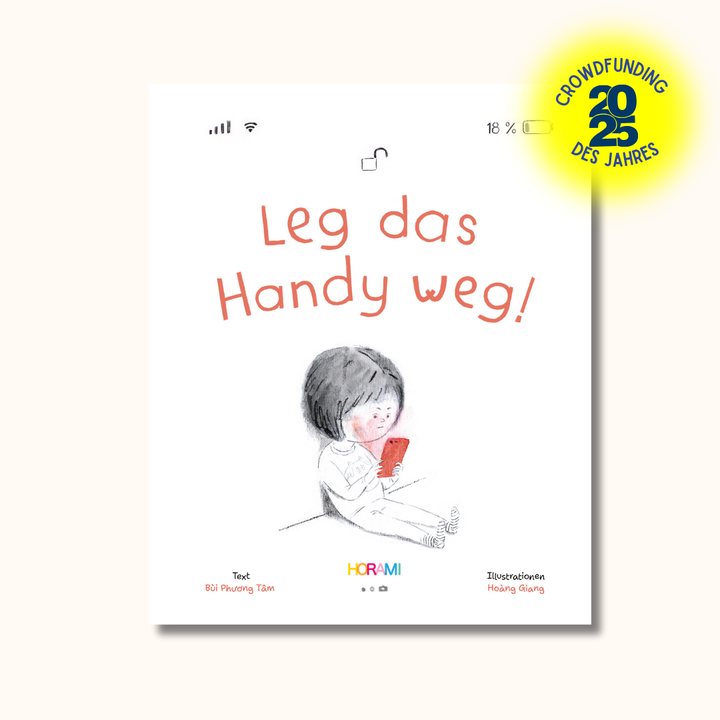
Hanh Nguyen-Schwanke was born in Hanoi and came to Germany at the age of twelve. In 2014 she founded HORAMI in Berlin – the world’s first publisher of bilingual German-Vietnamese children’s books.
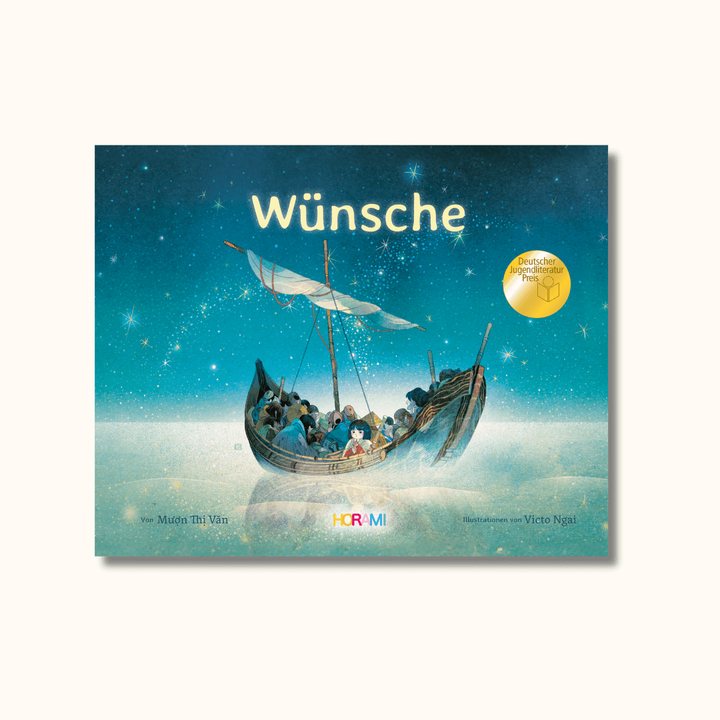
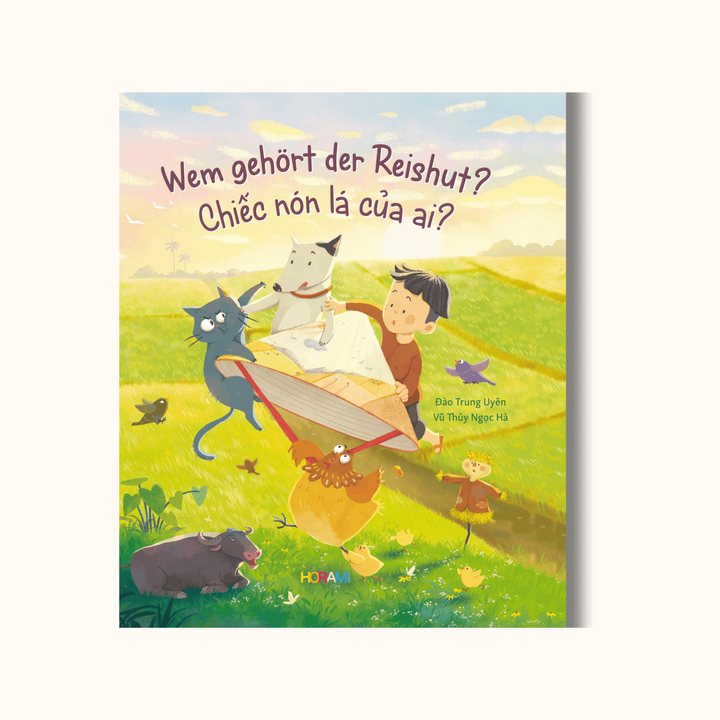
Today HORAMI is a stage for German-Asian voices: picture books in which text and illustration tell the story together. As an author she co-wrote the bilingual guide “Kindergesundheit”; as a translator she brought “Wem gehört der Reishut?” into German.
Award-winning: German Youth Literature Prize 2024 for “Wünsche” by Mượn Thị Văn, illustrated by Victo Ngai – published by HORAMI.
She also works as a coach for families and people living between two cultures. nguyen-schwanke.de ↗
From HORAMI publishing
“We have to meet others in order to meet ourselves.”
Charles Pépin
The timeless, circular approach goes deeper still: renovating existing old buildings breathes new life into places with a long history. This careful, detail-loving transformation, which keeps the original fabric, builds a bridge between old and new, between past and future.
Five apartments, one house
ORIGAMI, NAMDO, OKYU, HANAMI and YUTORI – each apartment has its own character. Look around and check the free days.
View apartments